Non-Combustible Exterior Wall Systems
in San Jose, CA
Fire-Resistant Exterior Contractors Serving the South Bay Area
Non-combustible exterior wall systems in San Jose, CA have moved from a niche consideration to a real priority for a growing number of property owners across the South Bay. As wildfire activity in California has increased in both frequency and intensity over the past several years, building codes have followed, and homeowners and commercial property owners in or near designated fire hazard severity zones are now facing requirements, and in many cases simple good judgment, that point toward non-combustible exterior materials.
San Jose Stucco & Plastering has been working on exterior wall systems in the South Bay for over 30 years. We install a full range of non-combustible cladding and finish systems for residential and commercial properties: stucco, fiber cement siding and panels, mineral-core ACM, architectural metal panels, phenolic panels with appropriate fire ratings, and architectural concrete panel systems. If your property is in a fire hazard zone, if you are rebuilding after fire damage, or if you simply want the added protection and peace of mind that comes with a non-combustible exterior, we can help you understand the options and install the system that fits your building and your situation.
Free Estimates
Free On-Site Consultations
Why Non-Combustible Exteriors Matter in San Jose and the South Bay
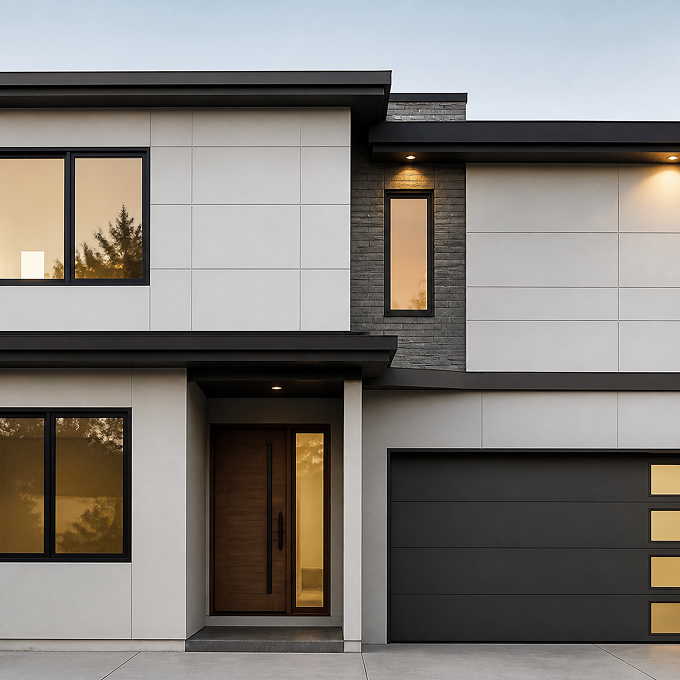
San Jose itself is largely an urban environment, but the city borders areas that California classifies as Wildland-Urban Interface, or WUI, zones. Hillside neighborhoods in Almaden Valley, areas near the foothills east of the city around Alum Rock, and properties closer to open space and undeveloped hillside terrain fall within or near these designated zones. Beyond San Jose’s city limits, much of the surrounding South Bay, including parts of Los Gatos, Saratoga, and the unincorporated areas of Santa Clara County, sits within higher fire hazard severity zones under CAL FIRE’s mapping.
For properties in these zones, California Building Code Chapter 7A sets specific requirements for exterior wall coverings, including restrictions on combustible materials and requirements for ignition-resistant construction. These requirements are not just bureaucratic boxes to check. They reflect real research into how homes ignite during wildfire events, much of which happens not from direct flame contact but from embers landing on or against combustible surfaces and igniting them.
Even for properties outside formally designated WUI zones, the broader pattern of wildfire activity and smoke events across the Bay Area in recent years has made non-combustible materials a consideration that more property owners are thinking about proactively, whether or not it is required by code for their specific location.
What "Non-Combustible" Means for Exterior Materials
Building codes classify materials based on their combustibility and fire performance, and the terminology can get confusing. Here is a practical breakdown of what matters for exterior wall systems:
Non-combustible materials do not burn and do not contribute fuel to a fire. Examples include stucco (cement plaster), fiber cement, concrete, and most metals. These materials can be used in any fire hazard severity zone without the additional testing and assembly requirements that apply to combustible materials used in WUI applications.
Ignition-resistant materials are combustible at some level but have been treated or engineered to resist ignition, typically through fire-retardant treatment. Some wood products fall into this category when treated appropriately, though requirements vary and not all treated wood products meet the standards required in California WUI zones.
Tested wall assemblies refer to combustible materials that, when installed as part of a specific tested assembly (often involving a fire-rated barrier behind the cladding), can meet code requirements for WUI applications even though the cladding material itself is combustible. This is a more complex compliance path and requires installation exactly as tested.
For most property owners, the simplest and most reliable path to code compliance and genuine fire resistance is choosing materials that are non-combustible at the material level, which removes ambiguity about assembly-specific requirements and testing documentation.
Our Non-Combustible Exterior Wall Systems
Stucco (Cement Plaster)
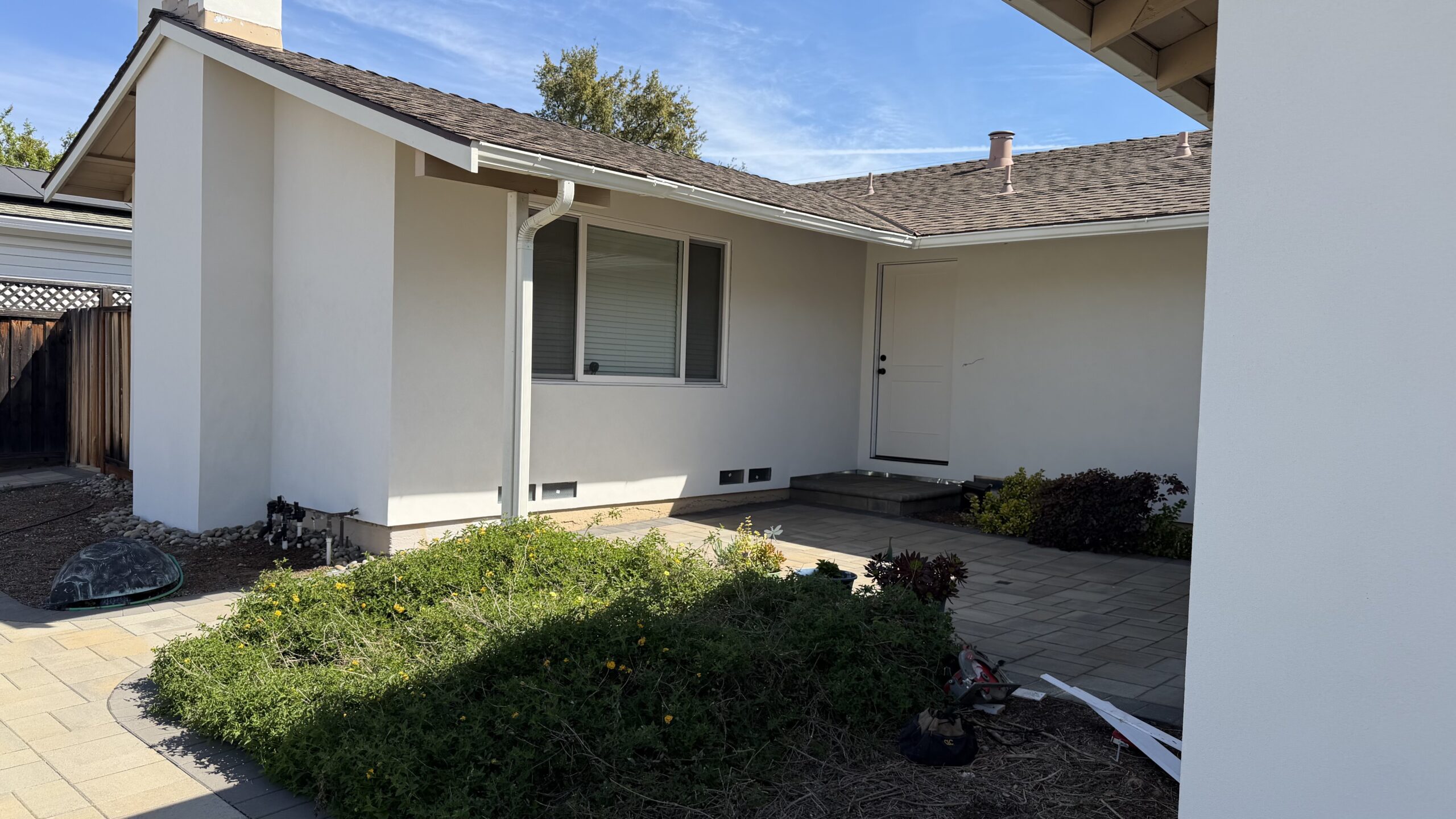
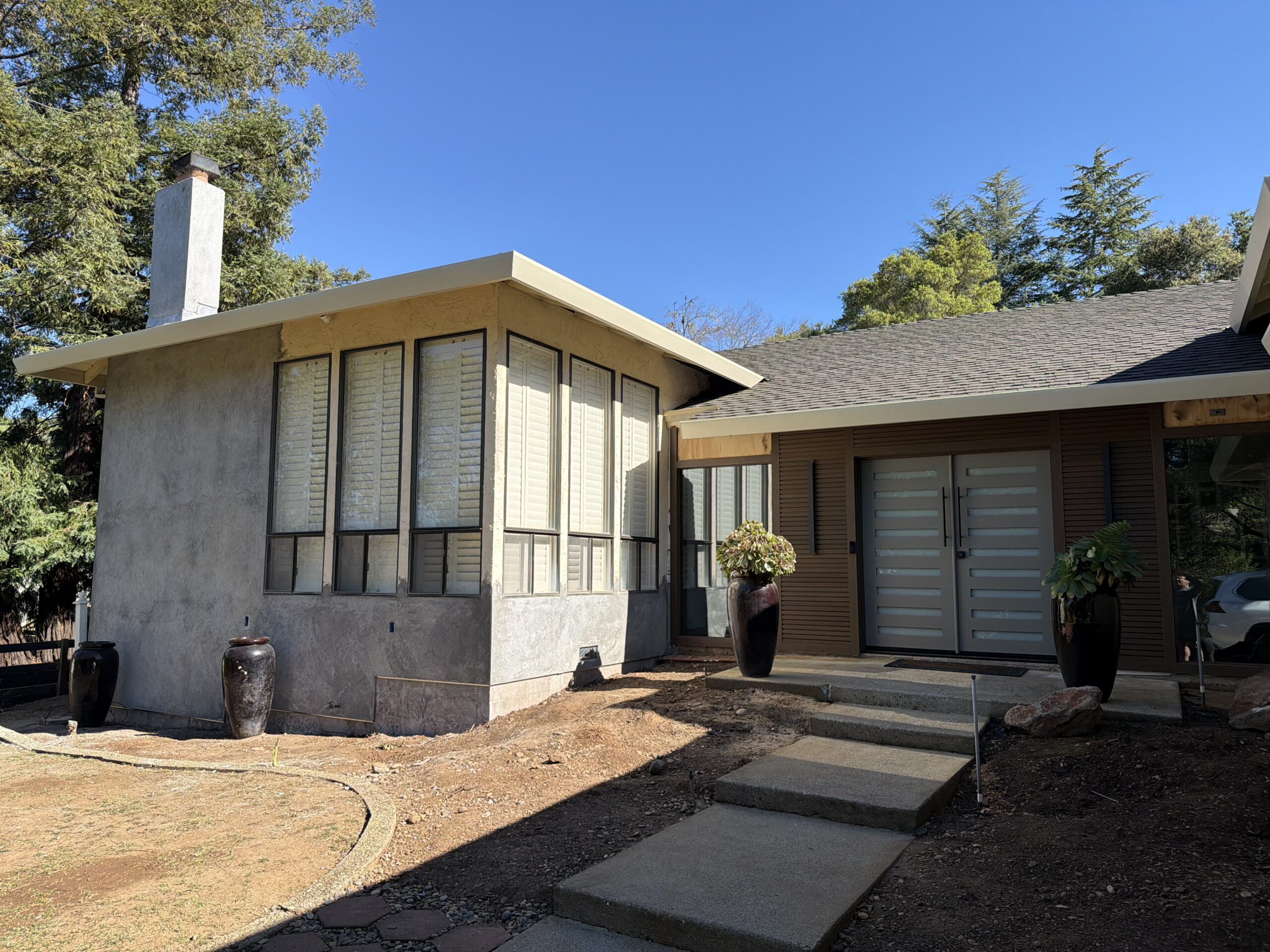
Stucco is one of the original non-combustible exterior finishes, and it remains one of the most widely used in California for exactly that reason. Traditional three-coat stucco over metal lath is a cement-based product that does not burn, making it inherently compliant with non-combustibility requirements in fire hazard severity zones. As a stucco contractor first, this is the material we know better than any other.
For properties requiring non-combustible exteriors, we install new stucco systems, re-stucco aging exteriors, and address stucco repairs, all following ASTM standards and current building code requirements. Stucco’s non-combustibility, combined with its long track record and relatively practical cost compared to some other non-combustible options, makes it a strong choice for many residential projects in fire hazard zones.
Fiber Cement Siding and Panels
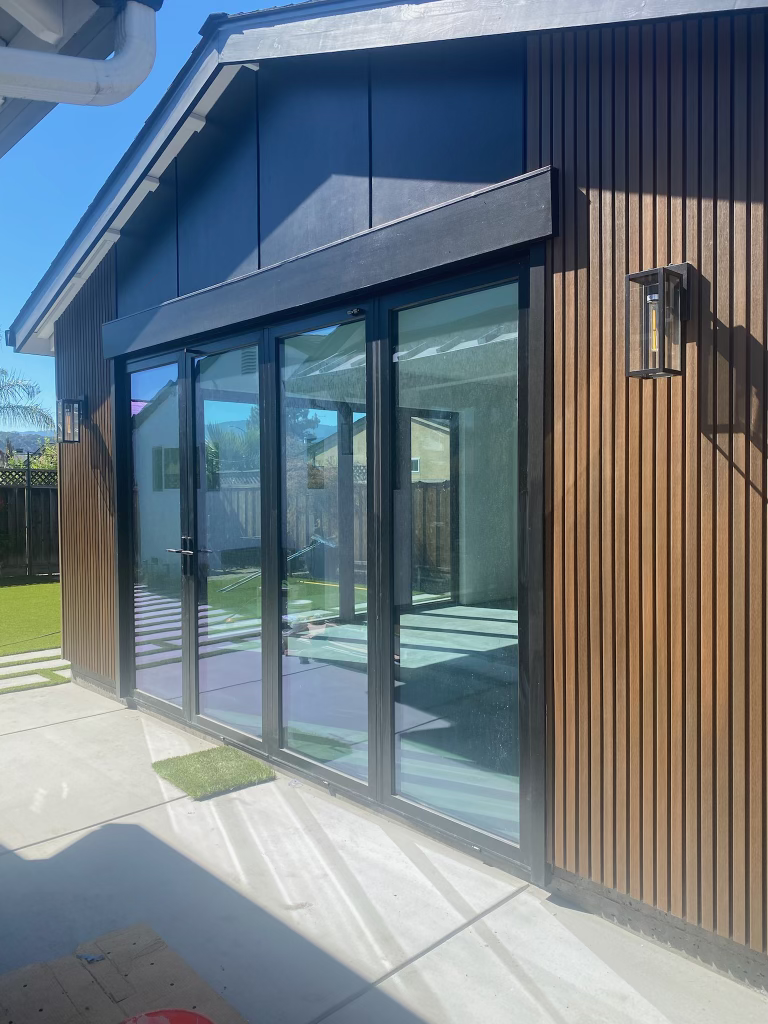
Fiber cement is non-combustible and carries a Class A fire rating, the highest fire performance classification for exterior wall coverings. It has become one of the most popular non-combustible siding options for residential properties in WUI zones because it offers a much wider range of architectural styles and profiles than stucco, including lap siding, vertical board-and-batten, shingle profiles, and large-format panels, while still meeting the strictest fire requirements.
We install James Hardie and comparable fiber cement products for residential and commercial projects throughout San Jose and the South Bay, including properties in Almaden Valley, the hills east of Alum Rock, and other areas where non-combustible siding is a requirement for new construction or major renovation.
Mineral-Core ACM Panels
Not all ACM (Aluminum Composite Material) panels are non-combustible. Standard ACM panels have a polyethylene core, which is combustible and has been restricted or banned in many fire-rated applications following high-profile building fires involving this product internationally. Mineral-core ACM panels, by contrast, use a non-combustible mineral-filled core between the aluminum skins, providing the same aesthetic and fabrication advantages of standard ACM while meeting non-combustibility requirements.
For commercial and residential projects where ACM panels are part of the design but fire rating compliance is required, we specify and install mineral-core ACM products. This distinction matters, and it is one we make sure clients and design teams understand clearly during material selection.
Architectural Metal Panels
Steel, aluminum, and most other architectural metal panel products are inherently non-combustible. Metal facade and siding systems provide one of the widest design ranges among non-combustible materials, including standing seam profiles, flat-lock panels, corrugated systems, and custom architectural configurations. For property owners who want a contemporary appearance alongside fire resistance, metal panel systems deliver both without compromise.
We install architectural metal panel systems for both residential and commercial properties, with alloy and coating selections appropriate for the specific exposure conditions of the project, including salt air resistance for properties closer to the Bay.
Phenolic Panels with Appropriate Fire Ratings
Phenolic panel fire performance varies by product and thickness, and not all phenolic products meet the requirements for WUI applications. Some manufacturers offer phenolic panel products specifically tested and rated for use in fire hazard severity zones. Where a project calls for phenolic panels and fire rating compliance is a requirement, we work with products that carry documentation supporting the required fire performance for the application.
Architectural Concrete Panels
Concrete is inherently non-combustible, and architectural concrete panel systems combine that fire performance with a distinctive visual character that suits modern and industrial-influenced building designs. For commercial and high-end residential projects where both fire compliance and a specific architectural aesthetic are priorities, architectural concrete panels are a strong option.
Beyond Wall Cladding: Other Elements of Non-Combustible Construction
Exterior wall covering is one piece of a broader set of requirements for buildings in WUI zones under California Building Code Chapter 7A. While wall cladding is our primary area of work, it is worth understanding how it fits into the bigger picture, since some of these other elements are closely related to the exterior finish work we do:
Eaves and soffits. The underside of roof overhangs is a common area for ember accumulation and ignition, and code requirements for eave and soffit construction in WUI zones are specific. Where our exterior cladding work extends to soffit areas, we install materials and details that meet the applicable requirements.
Vents. Exterior vents, including attic and foundation vents, require ember-resistant venting in WUI zones. While vent installation itself is often part of other trades’ scope, the wall cladding details around vent penetrations are part of our work, and we coordinate these details as needed.
Windows and doors. Window and door assemblies have their own fire performance requirements in WUI zones, separate from wall cladding. We do not install windows and doors, but our cladding work integrates with these assemblies at the rough opening, and proper flashing and sealing at these transitions is part of what we handle.
Decks and attached structures. Decking materials attached to a structure have separate fire performance requirements. This is generally outside our scope but is worth being aware of as part of a comprehensive approach to a property’s fire risk profile.
For property owners undertaking a comprehensive WUI compliance project, coordinating these various elements, often across multiple trades, is part of what a well-managed renovation project involves. We focus on the exterior wall cladding and finish scope and coordinate with other trades as needed on the broader project.
Free Estimates
Free On-Site Consultations
Rebuilding After Fire Damage
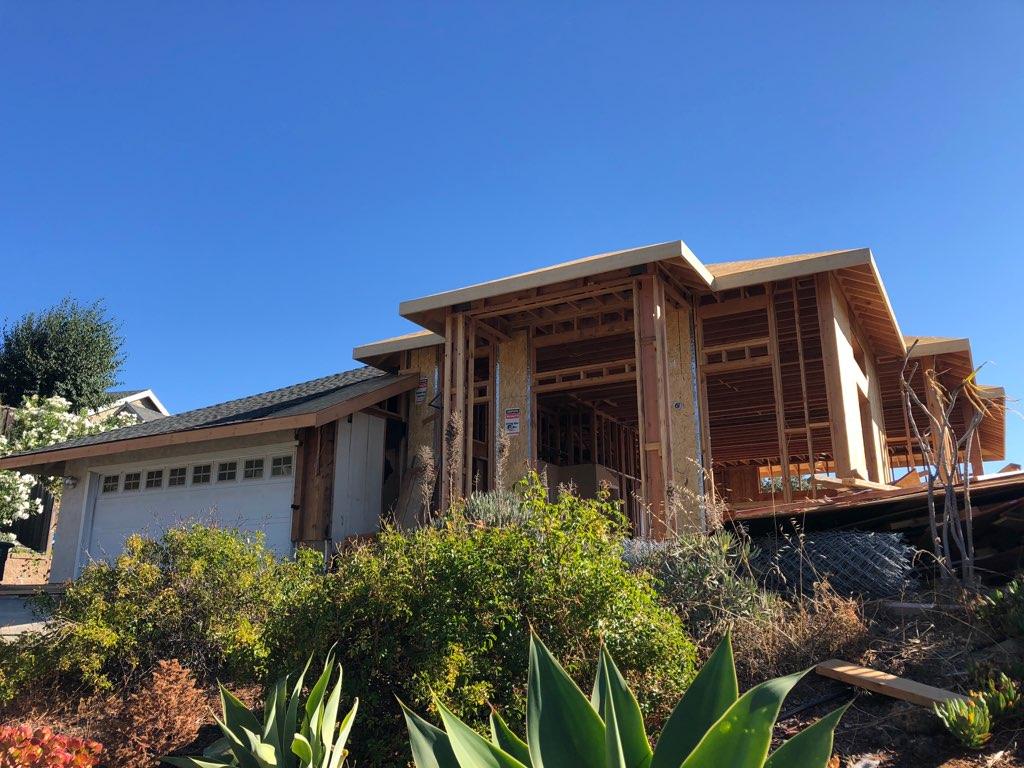
Some of the work we do involves properties that have experienced fire damage, whether from a wildfire event or another cause, and are being rebuilt. For these projects, non-combustible exterior wall systems are often not just advisable but required as part of the rebuild, particularly if the property is in a designated fire hazard severity zone where current code requirements apply to the reconstruction even if the original structure predated those requirements.
We understand that rebuild projects come with their own set of pressures: insurance processes, emotional weight, and often a desire to move through the process as efficiently as possible while still getting the building right. We approach these projects with that context in mind, working to provide clear information, realistic timelines, and a finished result that meets current code requirements and gives the property owner confidence going forward.
New Construction in Fire Hazard Zones
For new construction in WUI zones around San Jose, including custom homes in hillside areas and developments in unincorporated parts of Santa Clara County, non-combustible exterior wall systems are typically a code requirement from the outset, not an upgrade option. We work with builders, architects, and homeowners on new construction projects to install exterior wall systems that meet Chapter 7A requirements while achieving the architectural goals of the project.
Working with a contractor who understands both the code requirements and the range of non-combustible material options available makes a meaningful difference on new construction projects, where exterior material decisions are made early and affect the building’s appearance for its entire life.
Common Questions About Non-Combustible Exterior Wall Systems
How do I know if my property is in a fire hazard severity zone?
CAL FIRE maintains Fire Hazard Severity Zone maps that are publicly available and searchable by address. The City of San Jose and Santa Clara County also maintain their own zone designations that may incorporate or extend beyond the state maps. If you are unsure whether your property falls within a designated zone, we can help point you toward the right resources, and your local building department can confirm the applicable requirements for your specific address.
Does my entire house need to be re-clad to meet non-combustible requirements?
It depends on the scope of work being done and the specific code triggers that apply. In some cases, a full re-cladding is required, particularly for new construction or major renovations that trigger full code compliance. In other cases, requirements may apply to specific elements like eaves, vents, or particular wall assemblies. We assess this on a project-by-project basis, often in coordination with the local building department, to understand what is actually required for your situation.
Is stucco enough, or do I need a more advanced material?
Stucco is non-combustible and meets the basic material requirement for exterior wall coverings in fire hazard severity zones. Whether stucco alone is sufficient for your project depends on the broader scope of work, the condition of your existing stucco, and whether other elements of the Chapter 7A requirements (eaves, vents, etc.) are also being addressed. For many residential properties, a well-installed stucco system is a perfectly appropriate and cost-effective non-combustible exterior. For projects with other architectural goals, fiber cement, metal, or other non-combustible panel systems may better serve the overall design while still meeting the fire requirements.
Are non-combustible materials more expensive than standard exterior finishes?
Some non-combustible materials, particularly metal panels, mineral-core ACM, and certain phenolic products, do carry a higher cost than basic stucco or standard siding. Fiber cement, which is one of the most commonly specified non-combustible siding materials, is generally competitive with other quality siding options. Stucco remains one of the more cost-effective non-combustible options available. We discuss material options and their relative costs clearly during the consultation so you can make an informed decision for your project and budget.
Can I get a discount on homeowner’s insurance for non-combustible exterior materials?
Some insurance carriers in California do offer premium adjustments or improved underwriting terms for homes with non-combustible exterior materials, particularly in higher fire-risk areas where coverage availability has become a real concern for homeowners. Insurance policies and underwriting practices vary by carrier and change over time, so we recommend discussing this directly with your insurance provider or broker. We are happy to provide documentation of the materials and systems we install if your insurer requires it.
Service Area
We serve residential and commercial clients throughout San Jose and the South Bay, including properties in and near designated fire hazard severity zones:
- Almaden Valley, Blossom Hill, and South San Jose
- Alum Rock, Berryessa, and the hills of East San Jose
- Willow Glen, Rose Garden, and Naglee Park
- Los Gatos, Saratoga, and the foothill communities of the South Bay
- Downtown San Jose, Japantown, and surrounding neighborhoods
- Milpitas (ZIP 95035), Saratoga (ZIP 95070), and Evergreen (ZIP 95135)
- Santa Clara, Campbell, and surrounding South Bay communities
For larger commercial and new construction projects, we serve the broader Bay Area. Call to discuss your location and project scope.
Get a Free Estimate on Non-Combustible Exterior Wall Systems in San Jose
San Jose Stucco & Plastering brings over 30 years of exterior wall experience to every fire-resistant cladding project we take on, from stucco and fiber cement to metal panels and architectural concrete. If your property is in a fire hazard zone, if you are rebuilding after fire damage, or if you simply want to understand your options for a more fire-resistant exterior, we are ready to help.
We offer free estimates and free on-site consultations with no obligation, and we price-match any competitor’s written estimate. Call or text us at (408) 290-1546, or find us at 137 E Saint James St #4, San Jose, CA 95112. We check our messages and we will get back to you.