
Wood Siding Installation
in San Jose, CA
Durable Wood Siding Installed by San Jose Exterior Contractor
Free Estimates
Free On-Site Consultations
Why Wood Siding Remains a Popular Choice in San Jose
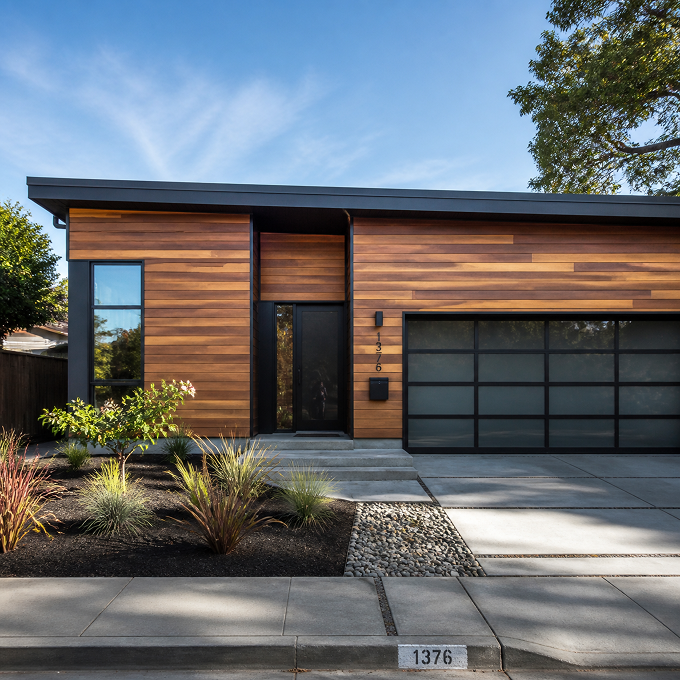
There is something about natural wood siding that other materials have spent decades trying to replicate. The grain variation, the depth of texture, the way it takes stain or paint, and the warmth it adds to a home’s exterior are qualities that are genuinely difficult to match with synthetic products. For homeowners in San Jose neighborhoods where architectural character matters, wood siding is often not just a preference but a deliberate choice.
Beyond aesthetics, properly selected and installed wood siding performs well in the Bay Area’s relatively mild climate. San Jose sits in a Mediterranean-influenced zone with dry summers and moderate winters, and while that climate is far more forgiving on wood than the Pacific Northwest or the East Coast, it still requires thoughtful species selection, proper installation detailing, and a maintenance commitment to protect the wood over time.
Wood siding is also one of the more versatile exterior materials available. It can be installed in horizontal lap configurations, vertical board-and-batten arrangements, shingle patterns, or custom profiles to match specific architectural styles. It accepts a wide range of finishes, from solid paint to semi-transparent stain to natural oil treatments, giving homeowners significant control over the final appearance.
Why San Jose Homeowners Choose Wood Siding
- The architectural character of older San Jose neighborhoods like Willow Glen, Naglee Park, and the Rose Garden is closely associated with natural wood exterior finishes
- New construction in the contemporary farmhouse and transitional styles frequently specifies board-and-batten or shiplap-style wood siding
- Renovation projects on historic homes often require wood siding to maintain design consistency with the original structure
- Wood is a renewable material that appeals to homeowners interested in sustainable building choices
- Custom profiles, widths, and configurations give wood siding a flexibility that pre-manufactured panel systems cannot always match
- Natural wood accepts stain in ways that fiber cement and composite products cannot, making it the preferred choice when a specific tonal warmth is the goal
Wood Siding Options We Install in San Jose
Choosing wood siding involves more than picking a look. Species, grade, profile, and whether you go with natural lumber or an engineered wood product all affect how the siding performs, how long it lasts, and how much maintenance it will require over its life. We walk every client through these decisions before any work begins.
Cedar Siding
Western red cedar is the most widely specified natural wood siding in California residential construction, and for good reason. It is naturally resistant to moisture, insects, and decay to a degree that most other wood species cannot match without chemical treatment. Cedar is dimensionally stable, meaning it moves less with seasonal moisture changes than denser hardwoods, and it accepts paint and stain well. Its natural oils provide inherent protection that extends the service life of a properly installed and maintained cedar siding system.
Cedar siding is available in a range of profiles, including bevel siding (lap siding), tongue-and-groove, shiplap, and channel siding. Clear grades are available for projects where a knot-free appearance is specified, while knotty grades offer a more rustic character at a lower material cost.
Redwood Siding
Redwood is the other California classic, and for homes in San Jose where authenticity to the regional building tradition matters, it carries genuine historical significance. Like cedar, redwood contains natural tannins that resist decay and insects. It is slightly softer than cedar, which makes it easier to work with during installation, and it takes stain and paint beautifully.
Old-growth redwood siding, which was common in California construction through the mid-20th century, is no longer widely available, but sustainably harvested second-growth redwood remains a viable and attractive option for restoration projects and new installations alike.
Pine and Fir Siding
Douglas fir and various pine species are used for wood siding applications where a harder, denser wood is preferred or where cost is a more significant factor. These species are widely available, accept paint well, and can be milled to virtually any profile. They require a more consistent maintenance program than cedar or redwood because they lack the natural rot resistance of those species, but when properly primed, painted, and maintained, they perform reliably in the San Jose climate.
Engineered Wood Siding – LP SmartSide and Similar Products
Engineered wood siding products, most notably LP SmartSide, use wood strands bonded with resins and treated with a zinc borate preservative to produce a panel or lap board that looks and works like natural wood but offers substantially improved moisture resistance and dimensional stability.
For homeowners who want the texture and appearance of wood siding with reduced maintenance demands, engineered wood is worth serious consideration. LP SmartSide products are available in lap siding, panel siding, and trim configurations, and they accept paint the same way natural wood does. They carry manufacturer warranties that natural wood cannot offer, and they are generally more consistent in dimension and grade than commodity lumber.
Board-and-Batten Siding
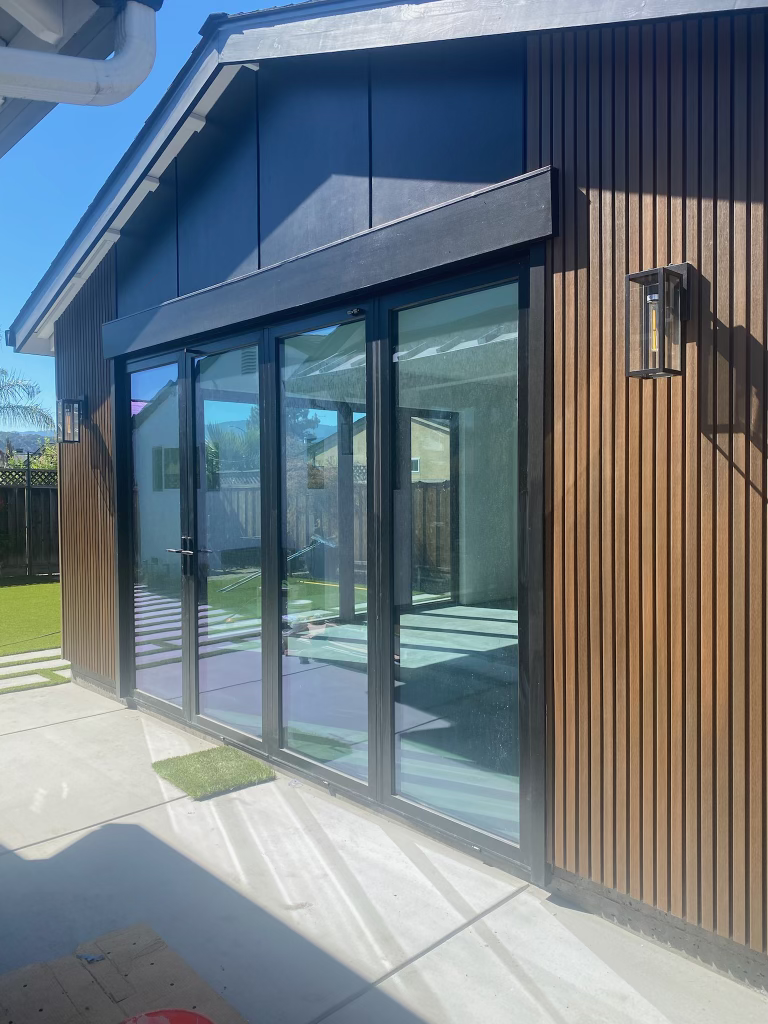
Board-and-batten is a vertical wood siding configuration where wide boards are installed with narrow strips (battens) covering the seams between them. It is closely associated with farmhouse, barn, and contemporary rural architecture and has become one of the most requested siding profiles for new construction and renovation projects across San Jose, particularly in the Almaden Valley, Blossom Hill, and South San Jose areas, where newer homes with rural-modern aesthetics are common.
Board-and-batten can be executed in natural cedar, redwood, pine, or engineered wood products, depending on the project’s performance requirements and budget.
Shiplap Siding
Shiplap boards interlock with a rabbet joint along their edges, creating a tight horizontal profile with a subtle shadow line between courses. Long popular in coastal and farmhouse architecture, shiplap has found a wide audience in the contemporary design community and is frequently specified on interior accent walls as well as exterior applications. For exterior use in San Jose, shiplap in cedar or engineered wood installs cleanly and delivers a refined, modern-traditional aesthetic that works well on everything from new ADU construction to full exterior renovations.
Wood Shingle and Shake Siding
Wood shingles and shakes are tapered pieces of wood, traditionally cedar, installed in overlapping courses to create a highly textured exterior surface. They are closely associated with Craftsman, Shingle Style, and Cottage architecture and appear frequently on older homes throughout Naglee Park, Roosevelt Park, and Willow Glen. Re-cladding with wood shingles or shakes on a historic character home is one of the most authentic and visually impactful exterior restoration choices available.
Wood shingles are sawn smooth on both faces; shakes are split on at least one face, producing a rougher, more rustic texture. Both can be factory-stained or left to weather naturally.
How Wood Siding Performs in the Bay Area Climate
San Jose’s climate is relatively wood-friendly compared to much of the country, but it is not without its challenges. Understanding how wood behaves in this specific environment helps you make a better material decision and set realistic expectations for maintenance.
Moisture and Seasonal Movement
Wood expands and contracts with changes in moisture content. In San Jose’s climate, this movement is moderate but consistent, cycling with the wet season from November through March and the dry season from late spring through fall. Proper installation accounts for this movement with appropriate gap spacing, correct fastening patterns, and thorough back-priming of each board before installation. Siding that is installed without these details develops splits, buckling, and paint failure over time.
UV Exposure
San Jose receives significant UV exposure year-round, and unprotected wood degrades under prolonged sunlight faster than most homeowners expect. South and west-facing elevations are particularly vulnerable. A high-quality exterior finish, whether paint or UV-blocking stain, and a consistent re-coat schedule are the primary defenses against UV degradation in California’s climate.
Fire Considerations
Wood is a combustible material, and for homes in Very High Fire Hazard Severity Zones in Santa Clara County, including portions of the Almaden Valley foothills, Los Gatos, and areas bordering open space, local and state fire codes may restrict the use of untreated wood siding or require specific fire-retardant treatments. We will identify any applicable fire code requirements for your property during the consultation and help you understand whether natural wood siding is permissible or whether an engineered alternative with a better fire rating is a more appropriate choice for your location.
Signs Your Wood Siding Needs Replacing
Wood siding that has been well-maintained can last for decades. But when maintenance has been deferred or when a system reaches the end of its natural service life, the deterioration can accelerate quickly. Knowing the signs helps you act before structural damage occurs.
- Paint that is peeling, bubbling, or flaking repeatedly in the same areas – indicating moisture is getting behind the surface
- Boards that are split, cracked, or cupping across their width
- Soft spots when pressed against a board – indicating rot has begun beneath the surface
- Visible discoloration or dark staining at joints, seams, or end cuts
- Boards that have shrunk and left visible gaps at the seams
- Widespread checking (shallow surface cracks) across multiple boards or elevations
- Persistent moisture or staining on interior walls adjacent to affected exterior elevations
- Insect damage is visible at the end grain, joints, or along the bottom courses near grade
Pro tip: Rot in wood siding rarely stays where it starts. A soft spot at the base of one board often means moisture has been tracking behind the siding for longer than the visible damage suggests. When we assess your existing wood siding, we look beyond the surface to identify how far any deterioration has progressed before recommending repair versus replacement.

Free Estimates
Free On-Site Consultations
Our Wood Siding Installation Process
Installing wood siding properly is detail-intensive work. The difference between a wood siding job that looks good for two years and one that holds up for twenty is almost entirely in the preparation and installation details. Here is how we approach every project.
- On-Site Assessment and Consultation- We visit your property to assess the condition of your existing exterior wall assembly, identify any substrate damage or moisture issues that need to be addressed before new siding goes on, and talk through your material preferences and performance goals. This is a free consultation with no obligation.
- Species and Profile Selection Based on your home’s architecture, your maintenance preferences, your location relative to fire hazard zones, and your aesthetic goals, we walk you through the wood species and profile options that make the most sense. We give you an honest picture of the maintenance commitment each option requires so there are no surprises after installation.
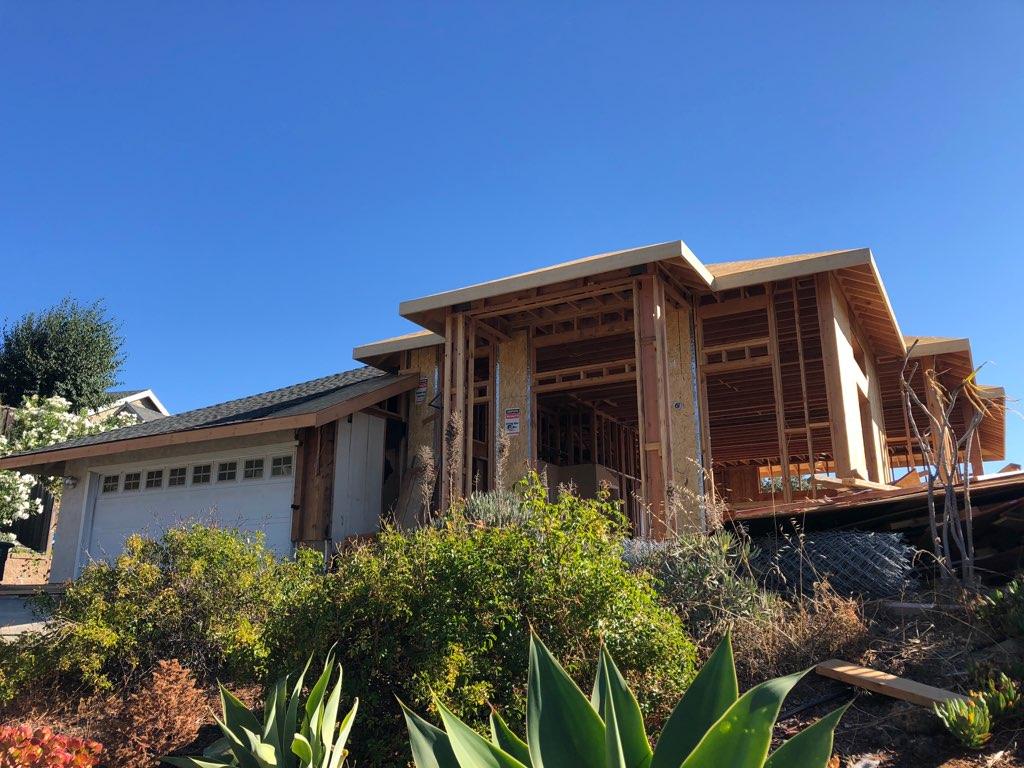
- Substrate Preparation- Proper substrate preparation is where a significant number of wood siding failures originate. We remove deteriorated existing cladding, repair or replace any damaged sheathing, and install a high-quality water-resistive barrier with correctly lapped seams and sealed penetrations. Any compromised flashing at windows, doors, and transitions is repaired or replaced at this stage.
- Back-Priming- Every piece of wood siding we install is back-primed before it goes on the wall. Back-priming seals the back face and end cuts of the board against moisture absorption, which is one of the single most effective ways to extend the service life of a painted wood siding installation. This step is frequently skipped on lower-cost jobs and is a primary reason those installations develop problems within a few years.
- Installation- We install wood siding according to manufacturer guidelines and industry best practices, with correct overlap dimensions, proper fastener type and spacing, expansion gaps at all joints and transitions, and careful attention to water management at horizontal surfaces. Corner details, window and door surrounds, and transitions to other materials are executed with the same precision as the field installation.
- Priming, Caulking, and Finish Coat- After installation, all exposed surfaces receive a full prime coat followed by the finish paint or stain of your choice. All joints, end cuts, and penetrations are caulked with an appropriate exterior-grade sealant. For stained finishes, we apply the product to the manufacturer’s specifications for the specific wood species and profile being used.
- Final Walkthrough- We walk through the completed project with you before we close out the job and address any questions. All of our work is warranted, and manufacturer products carry their own material warranties where applicable.
Wood Siding Maintenance: What to Expect
Wood siding requires a maintenance commitment that synthetic cladding products do not. Being realistic about this before you choose wood is important, and we always make sure our clients understand what they are signing up for.
Painted wood siding: Expect to repaint every 7 to 12 years depending on sun exposure, the quality of the finish system used, and how well the initial installation was executed. South and west-facing elevations may need attention sooner. Annual inspection for peeling, cracking, or failed caulk is a good practice.
Stained wood siding: Penetrating stains typically need reapplication every 3 to 6 years, with semi-transparent stains on the shorter end of that range. Stain maintenance is generally less disruptive than repainting because it does not require stripping the previous finish.
General maintenance:
- Keep vegetation, mulch, and soil at least 6 inches below the bottom course of siding
- Keep gutters clear so water does not overflow onto the siding surface
- Inspect caulk at joints and penetrations annually and re-apply wherever it has cracked or pulled away
- Address any peeling or cracking paint promptly to prevent moisture from reaching the wood
For homeowners who want the look of wood but are not interested in this level of ongoing maintenance, engineered wood siding products like LP SmartSide offer a very similar aesthetic with a significantly reduced maintenance schedule, and they are worth discussing as an alternative during your consultation.
Residential Wood Siding Projects We Handle in San Jose
Full Exterior Re-Siding
Replacing the entire exterior cladding on a home is the most complete way to address widespread deterioration, achieve a consistent new look, or upgrade to a higher-performance wall assembly. Full re-siding projects give us the opportunity to inspect and repair the full substrate, upgrade the water-resistive barrier, and install new siding with all of the preparation details done correctly from the start.
Partial Re-Siding and Elevation Updates
Not every project requires a full exterior replacement. Homeowners who want to update a single elevation, replace deteriorated sections, or add a board-and-batten accent to a gable or entry area are projects we handle regularly. Partial re-siding requires careful attention to transitions and material matching so the new work integrates cleanly with the existing exterior.
Historic Home Restoration
For older homes in San Jose’s historic neighborhoods, including Naglee Park, Roosevelt Park, and portions of Willow Glen, restoring original wood siding profiles or replacing like-for-like is often the most appropriate approach. We have experience sourcing period-appropriate profiles and working on homes where architectural consistency with the original construction is a priority.
New Construction and ADU Projects
Accessory dwelling units and new infill residential construction throughout San Jose frequently specify wood or engineered wood siding, particularly on projects with contemporary farmhouse or transitional design direction. We work with homeowners, general contractors, and design-build firms on new construction exterior scopes where wood siding is specified.
San Jose Neighborhoods and Areas We Serve
We serve residential and commercial clients throughout San Jose and the broader South Bay from our location at 137 E Saint James St. Our primary service area covers a 20-mile radius of San Jose, including all of the following.
San Jose Neighborhoods
- Willow Glen – a high concentration of wood siding restoration and replacement on Craftsman and traditional homes
- Naglee Park and Roosevelt Park – historic homes where wood shingles and lap siding are common and frequently in need of restoration
- Rose Garden – premium residential area with strong demand for quality exterior finishes
- Almaden Valley and Blossom Hill – contemporary farmhouse and rural-modern aesthetic drives board-and-batten popularity
- Cambrian Park and South San Jose – mid-century ranch homes being updated with new exterior profiles
- Downtown San Jose, SoFA, and Japantown – mixed residential projects including infill and renovation
- East San Jose, Five Wounds, and Olinder neighborhoods
- Berryessa and North San Jose
- Northside, Lakehouse, and Market-Almaden
Surrounding Communities
- Saratoga (ZIP 95070) – premium residential wood siding installation and restoration
- Milpitas (ZIP 95035) – residential and light commercial
- Evergreen and East San Jose (ZIP 95135)
- Los Gatos, Campbell, Santa Clara, Sunnyvale, and Cupertino
- Fremont and other South Bay communities within 20 miles of San Jose
Why Choose San Jose Stucco & Plastering for Wood Siding Installation
- 30+ Years of Exterior Wall Experience- We are not a general remodeling company that does siding on the side. Exterior wall systems are the core of our business, and that depth of experience shows in how we approach substrate preparation, flashing details, and installation technique on every project.
- Honest Material Guidance- Wood siding is not the right choice for every home, every location, or every homeowner’s maintenance tolerance. We will tell you when it is a great fit and when an engineered alternative or a different cladding system would serve you better. Our goal is a satisfied client with a siding system that performs as expected, not a quick sale.
- Back-Priming and Proper Preparation – Every Time- The details that extend the life of a wood siding installation are the ones that are easiest to skip. We do not skip them. Every board is back-primed. Substrates are properly prepared. Flashing is installed correctly at every transition.
- Full-Service Exterior Contractor- In addition to wood siding, we install fiber cement, composite, metal panels, ACM, phenolic systems, rainscreen assemblies, and more. We also perform stucco work, stucco repair, Venetian plaster, EIFS, fireproofing, lathing, and exterior painting. If your project involves multiple exterior systems or requires stucco alongside wood siding, we handle the full scope.
- Price-Match Guarantee- We will match any competitor’s written estimate. Get multiple quotes and bring us the best one.
- Fully Licensed and Insured- All work is performed by our own trained crew. We carry full insurance and all required California contractor licensing.
- Free Estimates and Free On-Site Consultations- No charge for your time, no pressure to decide on the spot. We assess your project thoroughly and give you a written estimate that you can take your time evaluating.
Frequently Asked Questions About Wood Siding Installation in San Jose
How long does wood siding last in the Bay Area? With proper installation, back-priming, and consistent maintenance, quality cedar or redwood siding can last 30 to 50 years or more in San Jose’s climate. Engineered wood products like LP SmartSide are warranted for 50 years by the manufacturer. The biggest variables are installation quality, finish system quality, and how consistently the siding is maintained over time.
Can wood siding be used in fire hazard areas of San Jose? It depends on the specific location and applicable code requirements. Homes in Very High Fire Hazard Severity Zones in Santa Clara County may be subject to restrictions on combustible exterior materials. Some jurisdictions allow treated wood siding that meets a specific fire rating; others require non-combustible cladding on certain building components. We will identify the requirements for your specific address during the consultation and discuss your options honestly.
What is the difference between natural wood siding and engineered wood siding? Natural wood siding is milled from solid lumber, typically cedar, redwood, pine, or fir. Engineered wood siding is manufactured from wood strands bonded with resins and treated for moisture and pest resistance. Natural wood offers authentic grain character and accepts stain more deeply, but requires more consistent maintenance. Engineered wood offers greater dimensional stability, improved moisture resistance, and manufacturer warranties, with an appearance that closely resembles natural wood.
How often does wood siding need to be repainted? For painted wood siding in the Bay Area, a well-executed paint job using quality exterior products typically lasts 7 to 12 years before a full repaint is needed. South and west-facing elevations exposed to more direct sun may show wear sooner. Stained wood siding generally needs reapplication every 3 to 6 years depending on the product and sun exposure.
Do you install wood siding on commercial buildings? Yes, for appropriate commercial applications. Wood and engineered wood siding are most common on smaller commercial buildings, mixed-use residential projects, and light commercial construction where a residential-adjacent aesthetic is intended. For larger commercial facades, panel systems like ACM, phenolic, or fiber cement are typically more practical, and we install those as well.
Can you match existing wood siding on a partial replacement project? Often yes, though exact matching depends on the species, profile, and age of the existing siding. For historic homes in San Jose’s older neighborhoods, we have experience sourcing profiles that closely replicate original installations. Where an exact match is not possible, we discuss options for integrating new material with the existing exterior in a way that reads cleanly.
What is board-and-batten siding and is it appropriate for San Jose homes? Board-and-batten is a vertical wood siding profile where wide boards are covered at the seams by narrow strips called battens. It is associated with farmhouse, barn, and rural-modern architecture and has become very popular for new construction and renovation projects across San Jose, particularly in the Almaden Valley, Blossom Hill, and Cambrian Park areas. In cedar or engineered wood, it installs cleanly, performs well in the Bay Area climate, and delivers a distinctive architectural look that horizontal lap siding cannot replicate.
Do you handle the painting and finishing after wood siding installation? Yes. We offer full-service exterior painting and touch-up as part of our scope. Every wood siding installation we complete includes back-priming, a prime coat, and a finish coat. If you have a specific paint or stain product specified, we work with it. If you need guidance on appropriate finish systems for the wood species and profile being installed, we can make recommendations based on our experience.
Get a Free Estimate for
Wood Siding Installation in San Jose